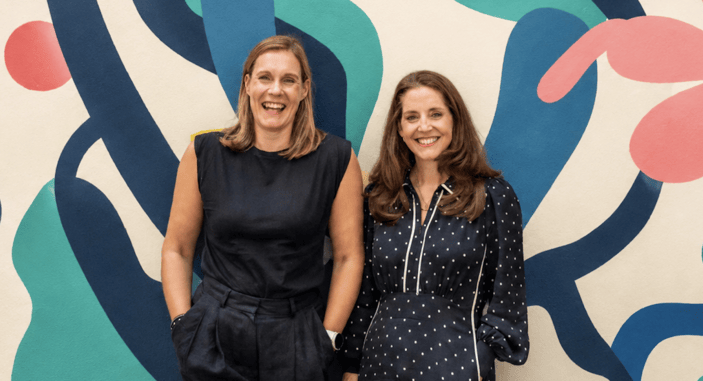
Chief Learning Officer at Rise Up, Frédéric Hebert explores the key learning priorities shaping 2026
Organisations are entering a period where the pace of change is stretching both leaders and employees in new ways. Technological disruption continues to redefine roles, hybrid work is reshaping how teams operate, and businesses are under pressure to stay adaptable even as expectations rise. Things are moving so quickly that learning can no longer focus purely on technical upskilling. Companies need people who can think critically, collaborate across functions, and respond confidently to uncertainty. They also need leaders who can guide teams through constant change and foster cultures where people feel supported. As a result, the remit of learning and development (L&D) is broadening, moving from isolated training programs to more holistic workforce development.
The findings shared in Rise Up’s State of Learning 2025 report reinforce these ideas. While digital and AI fluency remain vital, L&D leaders are prioritising a wider set of capabilities that reflect the realities of modern work. Leadership development now tops the list of 2026 priorities, followed by upskilling, reskilling, and the technical skills needed to navigate a digital economy. At the same time, personal development, DEIB, and wellbeing are rising in importance as organisations recognise that resilience and adaptability are just as essential as technical expertise. What this demonstrates is that the future of learning will not be defined by any single skill, but by the ability to build workforces that are equipped to adapt and apply themselves wherever they can add value.
Leadership development rises to the top
According to the report, leadership development has emerged as the defining priority for the year ahead, with 73% of L&D leaders ranking it as their top focus for 2026. This reflects the growing recognition that navigating the future will require a lot more than technical know-how. As organisations adopt AI, restructure teams, and move through cycles of change, they need leaders who can provide clarity, communicate effectively, and support teams through uncertainty. Strong leadership is becoming a sort of stabilising force that helps employees adapt to new tools, embrace new ways of working, and stay engaged even as their roles evolve.
This renewed focus on “the top” also speaks to the mounting expectations being placed on managers. They’re now responsible for coaching, wellbeing, cross-functional collaboration, and cultural cohesion as well as performance and operations. Investing in leadership development is therefore becoming a multiplier for every other learning priority. When leaders model adaptability, champion upskilling, and foster inclusive, psychologically safe environments, the rest of the workforce is more willing and able to grow. In that sense, leadership development is the foundation that supports the skills, behaviors, and resilience organisations will rely on in the years ahead.
Building technical foundations
Alongside the renewed focus on leadership, organisations are also sharpening their attention on the technical capabilities that will define the next phase of work. According to the report, 39% of L&D leaders highlight digital skills, data literacy, and tech fluency as key priorities, while 33% emphasise AI, automation, and machine learning. These skills are no longer limited to specialist roles. Employees across functions are expected to interpret data, work with digital tools, and understand how AI fits into their workflows. As businesses adopt new technologies, the ability to use them confidently is becoming a basic requirement rather than a competitive differentiator.
Upskilling and reskilling remain key, with 50% of L&D leaders prioritising them for the year ahead. This tells us more about the growing pressure on organisations to keep pace with changing tools and customer expectations. Established technical skills form the backbone of that effort, enabling teams to operate effectively in digital environments and adapt when systems or processes evolve. But by building stronger foundations in digital and AI fluency, companies are doing more than just preparing employees for new tools – they’re ensuring the workforce can respond to rapid change with competence and confidence, creating the conditions for innovation and long-term agility.
The Human Touch
Technical capability may drive transformation, but the report shows that human-centered development is becoming just as critical, with 41% of L&D leaders prioritising personal development and soft skills, 32% focusing on DEIB, and 30% emphasising wellbeing and resilience. This lays out the realities of modern work, where employees need strong communication, emotional intelligence, and adaptability to operate effectively in hybrid, cross-functional, and increasingly automated environments. As automation takes on more routine tasks, the value of human skills rises, shaping how teams collaborate, solve problems, and support one another. DEIB initiatives strengthen belonging and reduce barriers to growth, while wellbeing programs help employees manage pressure and stay engaged. Together, these priorities signal a shift toward developing workforces that are not only skilled but also supported, connected, and equipped to thrive through change.
A future-ready workforce depends on more than technical expertise, and the report makes clear that organisations are beginning to invest in the broader capabilities needed to sustain growth. By developing strong leaders, adaptable teams, and cultures that support wellbeing and inclusion, businesses can build the kind of resilient talent base that is always prepared for what comes next.