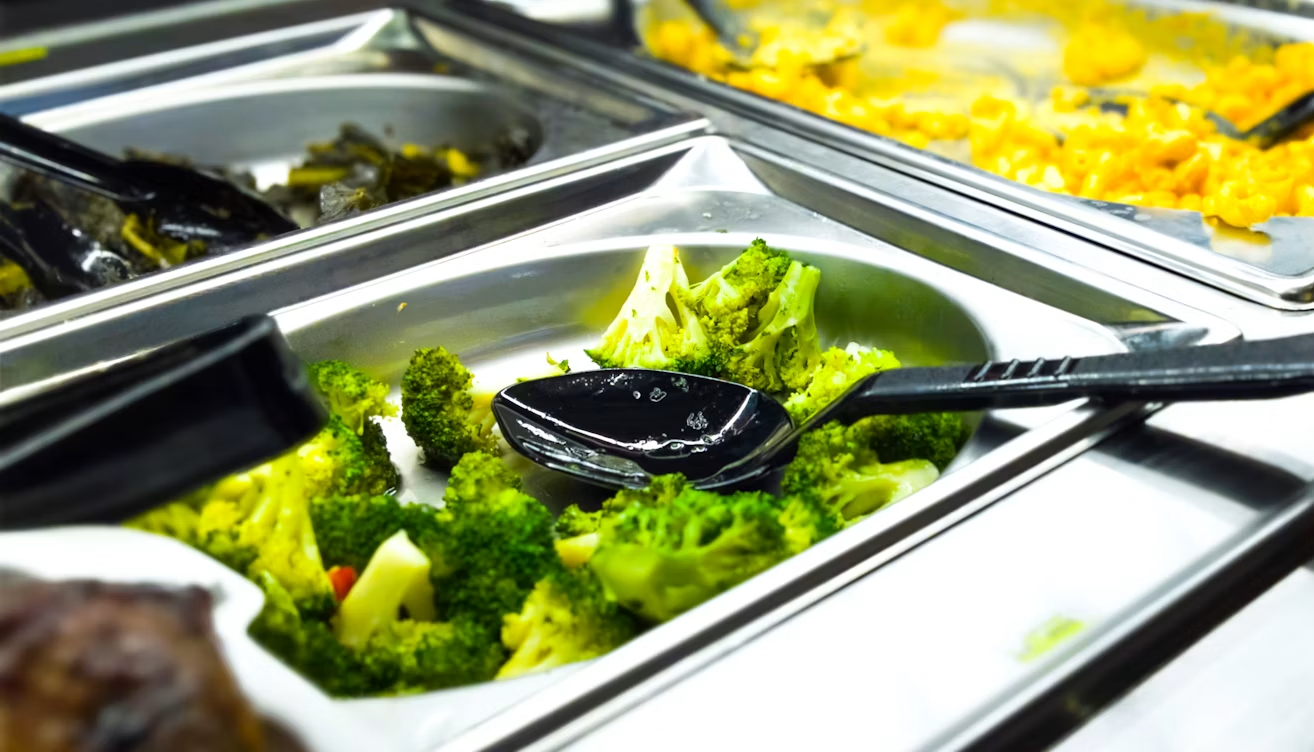
With more than 850 schools reportedly closing or shutting early during the heatwave, school kitchens and catering teams may be left managing large volumes of meals and ingredients at short notice.
Estimated school meal food at risk during heatwave closures
Affected schools (Lower-Higher estimate)Estimated pupils affectedEstimated school meals affectedEstimated food at risk (tonnes)Estimated meal value
| 700 schools | 282,000 | 149,000 | 62 | £390,000 |
| 850 schools | 342,000 | 181,000 | 76 | £473,000 |
| 1,000 schools | 403,000 | 213,000 | 89 | £557,000 |
The data can be found here.
The data suggests that around 342,000 pupils may not have received a school meal, and around 181,000 school meals are affected. This equates to roughly 76 tonnes of food at risk and around £473,000 of food wasted.
This figure is based on 850 reported school closures; however, if more schools continue to close this week, it could result in as many as 213,000 school meals not being served, which equates to an estimated 89 tonnes of school meal food at risk of being wasted.
Mark Hall, food waste management expert at Bins.co.uk said:
“School closures are always a safety problem first, particularly in situations such as extreme heat, which poses health risks to pupils. However, when schools shut at short notice, there is also a knock-on waste issue that people do not always see.”
“School catering systems run on a tight schedule, as ingredients and meals need to be planned and purchased ahead of time, meaning kitchens don’t get much warning when schools are closed that morning. There’s a high chance that school kitchens across the country had food prepared before closure. While some of that can be saved or reused safely, some of it has a very limited window before it has to be thrown away.”
“As extreme heat becomes more common, this is likely to be a growing challenge for schools. Catering teams will need to develop clear plans for heatwaves, including when to slow or stop meal prep, how quickly orders can be adjusted, and what to do with food that can’t be served, such as donating it to local charities.”
“It’s also important that any unavoidable food waste is handled properly to avoid unnecessary contamination. Keeping it separate from general waste means it can be recycled, rather than ending up in mixed bins.”