This Autumn, suicide prevention charity, R;pple, reveals widespread concern among parents about the digital risks facing their children, and a growing concern that schools face a huge challenge trying to combat this.
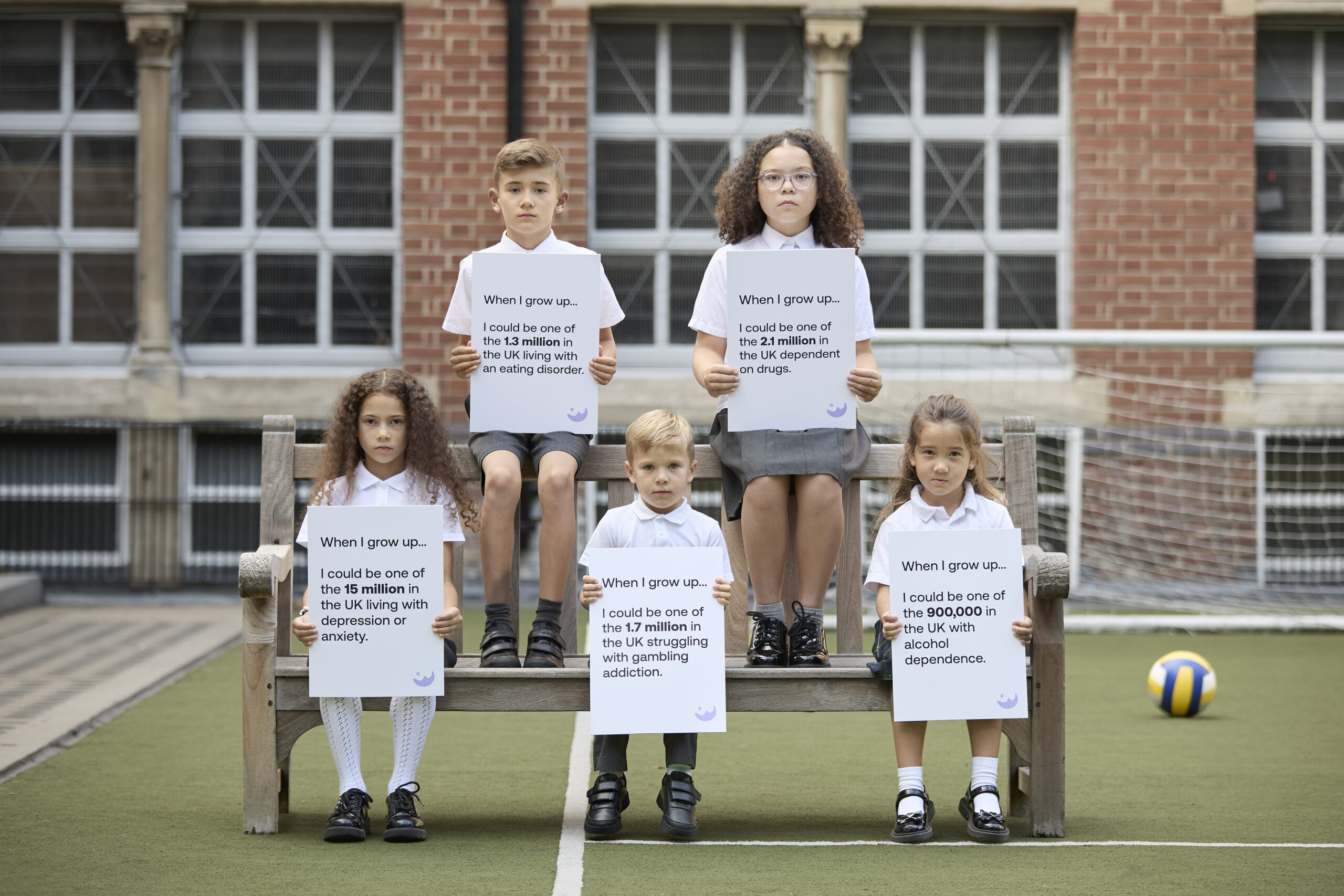
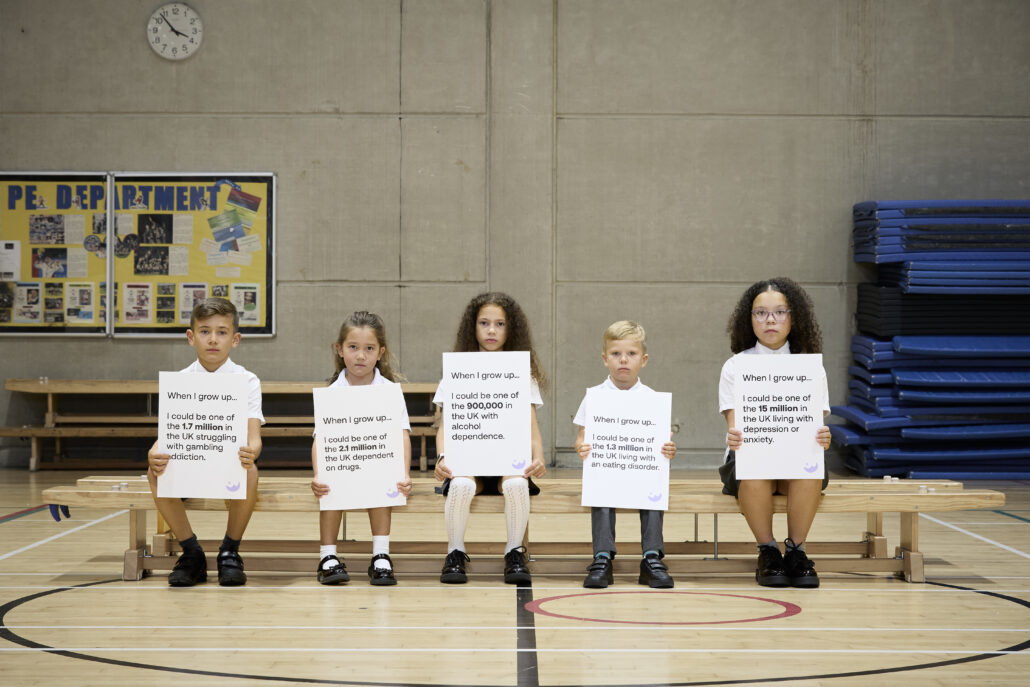
Whilst nearly all parents (90%) admit they don’t know what their children are searching for online, three quarters (74%) report that their children have had harmful content online marketed to them – from gambling ads (36%) and diet promotions (30%) to cosmetic treatments (35%). Sadly, 75% are worried that their children will grow up facing serious issues such as mental illness, addiction, eating disorders or financial struggles, with 61% believing harmful content could be a direct cause of these issues.
Disturbingly, data shows that people facing these conditions (such as eating disorders and alcohol abuse) are at significantly higher risk of suicide. For example, those with substance abuse issues are up to 14 more times more likely to die by suicide, while problem gamblers face a 15-fold risk. What’s more, one in eight (13%) of adults experience suicidal thoughts or feelings due to concerns with their body image.
Despite all of these shocking figures, fewer than one in three (27%) of parents believe that their child’s school offers enough digital safety education. Nearly half (45%) are unaware of whether suicide prevention is being taught, and one in ten believe that their child’s school has no safeguarding software in place at all. 97% of school parents say they’d feel more at ease if a tool like R;pple was in place.
Sam Smith, Education Advocate at R;pple and children’s safeguarding specialist, says “World Mental Health Day, which falls on 10th October, is a timely reminder of UK parents’ growing concerns for their children’s online safety. Government guidance like Keeping Children Safe in Education is essential, but too often treated as a tick-box exercise. It should be a starting point, not the full solution.
Some schools are leading the way with tools like R;pple, which helps protect students from harmful online content, including suicide-related material. These efforts save lives and must be replicated nationwide.
Safeguarding children’s mental health is not optional; it’s a shared responsibility. This Autumn, we urge schools, leaders, and policymakers to move from concern to action. With a united approach, the UK can become a global leader in online safety for young people.”
R;pple is a digital crisis intervention tool that intercepts harmful online searches and guides users to mental health support, offering a vital layer of protection when it’s needed most. It’s free to deploy as a browser extension on managed devices by any school, college and university to protect their students online.
R;pple are urgently calling for all schools and education facilities (and parents for home computers) to download the tool and protect their students against accessing harmful content that could lead to suicide in their future – please see the link here for further information.