A pilot programme in 10 schools found that hundreds of pupils wanted a marine career after hearing from people already doing the work. It is now open to schools across the UK.
When more than 700 pupils heard from people working in marine science and conservation during a year of careers talks, hundreds of them said afterwards that they wanted to pursue a career in the field.
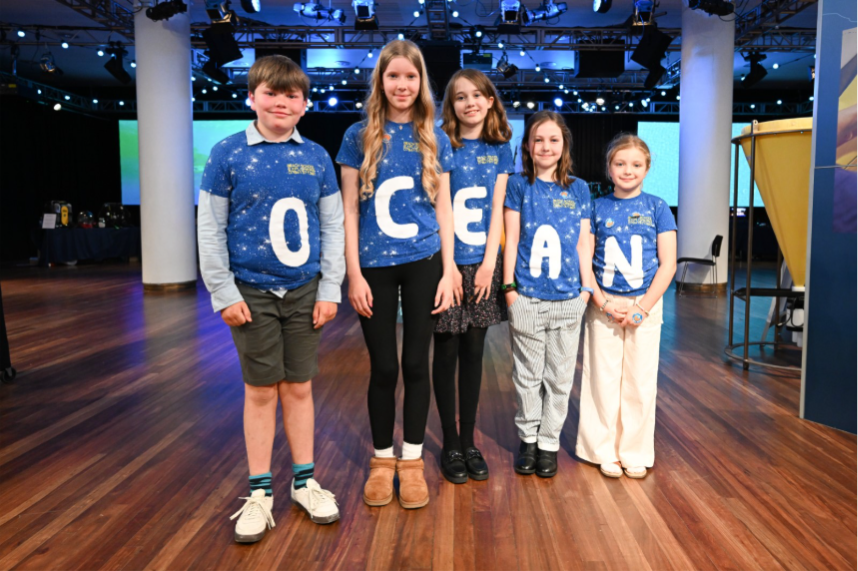
The talks were part of the Blue Marine Max Stenbeck Legacy Programme, run by the ocean conservation charity Blue Marine Foundation. Its pilot reached more than 1,000 children across 10 schools in England, with a focus on schools facing the greatest barriers to outdoor education. The programme is now available free to primary and secondary schools across the UK through Blue Marine’s Ocean Education Hub.
The national rollout comes as Green Careers Week (2 to 6 November) puts sustainability jobs on the school agenda, and as schools look for practical ways to connect climate teaching with the world of work.
Two pressures on teachers
Teachers are preparing for more meaningful climate and sustainability education through forthcoming curriculum changes. At the same time, the Gatsby Benchmarks ask schools to link curriculum learning to careers. In a crowded timetable, those two expectations can compete for the same lesson time.
Ocean education offers one way to meet both. The ocean absorbs a large share of the excess heat and carbon dioxide produced by human activity, and it supports jobs in research, conservation, fisheries, tourism and policy. A lesson on how coastal habitats store carbon can also introduce pupils to the people whose job is to protect those habitats.
Victoria Turner, Education Lead at Blue Marine, said learning about the ocean can make climate and sustainability education “tangible and solution-led for young people”.
Learning outside the classroom
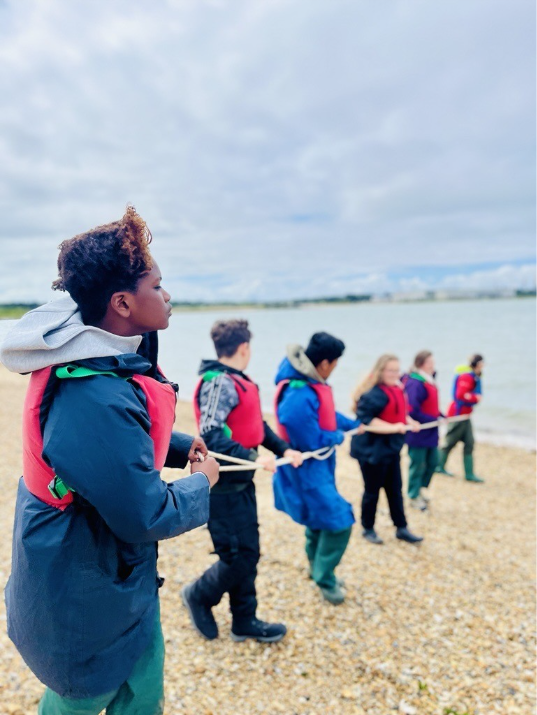
Alongside the careers talks, more than 300 pupils in the pilot took part in free coastal field trips to live conservation projects and in ocean advocacy filmmaking workshops.
One secondary school teacher said pupils “came away knowing about new species that they’d never seen or heard of before”, while a pupil described the experience as “the perfect mix of outdoor fun and education”.
Careers close to home
The programme places particular emphasis on pupils aged 7 to 16 in coastal communities, including Cornwall, Devon and Sussex. Research published by UCL in 2025 found that young people growing up in England’s coastal communities face unique obstacles.
“For pupils in coastal towns, it’s also personal,” said Turner. “We want them to see that a career on the coast is full of opportunities and can meaningfully inform their sense of identity and marine heritage.”
That focus on local opportunity aligns with national policy. In July, Prime Minister Andy Burnham announced reforms that will allow pupils to combine core academic subjects with technical education linked to local job opportunities from Year 10, starting in September 2028.
Funding and next steps
The programme is funded by the Max Stenbeck Foundation, which continues Max Stenbeck’s charitable work in his memory. His sister, Cristina Stenbeck, said: “The ocean is vital to our climate, communities and future, yet too many children grow up without meaningful access to it.”
Blue Marine is calling on 20,000 primary and secondary schools in England to join the Education Hub. Registered schools receive curriculum-linked digital resources and CPD, and selected schools can also access free field trips, filmmaking workshops and Blue Careers Talks.
Schools can register for free at bluemarinefoundation.com/ocean-education-platform.