-Stephanie Smith, Head of School, The Cavendish School
Independence, financial management, and community belonging. These are the biggest concerns that parents of autistic children have about their child’s transition into adulthood. With more than 180,000 autistic students in England, schools play a crucial role in helping autistic children to develop the skills, knowledge and understanding they need to navigate adult life by incorporating these into students’ learning.
At The Cavendish School, our mission is to enable the self for all our students, ensuring they develop the skills needed to succeed as independent and socially confident young adults beyond academic success. Through our Personal, Social, Health and Relationships Education (PSHRE) curriculum, our students develop essential life skills, including how to manage their money, navigate public transport, and societal expectations in the workplace, to ensure they are equipped to thrive independently when they leave us.
Here are three areas schools should focus on to support our autistic students’ transition into adulthood, based on our experience.
Transport training
Like many of us, autistic individuals can face difficulties with using public transport: 75 per cent of autistic people report that unexpected changes can cause distress and 52 per cent say that this fear stops them from using the services altogether. Autistic individuals may also experience sensory sensitivities, anxiety and difficulty navigating the transport systems themselves, contributing to fear or avoidance of using public transport such as buses and trains.
At The Cavendish School, we include travel training in our students’ learning to help them understand how to use different methods of transport so that they can travel independently for college, work, social and leisure activities. Travel training can be tailored to children’s individual needs, and it covers journey planning and preparation, safety, and coping strategies in case of unexpected changes, such as cancellations and delays, that can cause discomfort for those who rely on routine and predictability.
Autistic children benefit from practical, hands-on learning, which aligns with their strengths in sensory processing, so we make sure the training is taken outside of the classroom. Trips to take the bus can be fun as well as educational!
Financial management
Learning to navigate transport is just one aspect of the practical skills our students learn, and being able to manage a budget is another important skill that they will use throughout their lives. Autistic adults tend to have lower financial literacy and greater uncertainty around money; this is often caused due to difficulty understanding abstract concepts, such as saving, budgeting and debt.
To build students’ financial literacy, it is important to provide explicit and detailed instructions on financial management. At The Cavendish School, we introduce our students to basic money skills in Year 4, and by Year 8, they learn budgeting skills with bank accounts, followed by exploring the function of wage slips and tax by Year 10. Students in Year 12 practice budgeting by planning purchases for our dedicated life skills flat, which is located onsite at the school. This way, they are prepared for the small, but often unknown, costs that might be involved with purchasing essential items for adult living, such as a kettle, crockery and bedding.
Interpersonal skills
Classroom dynamics and informal learning outside of subject teaching can build children’s understanding of social cues, values and beliefs. Known as the ‘hidden curriculum’, autistic children can find this learning particularly challenging, as they benefit most from explicit rather than implicit teaching and guidance. As such, clearly teaching autistic students about the social expectations they might encounter in the workplace rather than relying on them to infer these can help them to feel prepared to navigate new social situations and participate in their communities as much as they choose to.
Through lessons, activities and discussion, we help our young people to build their social knowledge so that they can make informed decisions about how they wish to interact with different people and feel more confident doing so. When students join us in Year 3, we begin to explore communication and understanding our emotions together and build on this through their time at the school to encompass topics such as personal hygiene, etiquette in public spaces and verbal communication. We even build this into our employer engagement visits so that our students can hear from employers about the differences between the classroom and workplace environments and expectations. For instance, an employer explaining the concept of the ‘water cooler’ chat can help our students understand the purpose of these types of conversations in a workplace and whether it is something that they wish to participate in.
It’s important to emphasise that this teaching does not encourage masking and is not aimed at changing who they are. It is to help them understand the different expectations that they may encounter, rather than encouraging them to suppress or conceal their own behaviours or communication styles, which can have a negative impact on autistic individuals’ sense of self and mental health.
Both autistic and non-autistic students can find the shift to adult life challenging. As educators, we can ensure all our students have a smoother transition and better understanding of the changes of adulthood by giving them opportunities to learn the essential life skills they may need to live as independent and happy adults. If education doesn’t equip all children for a successful, fulfilling future, then what is it for?
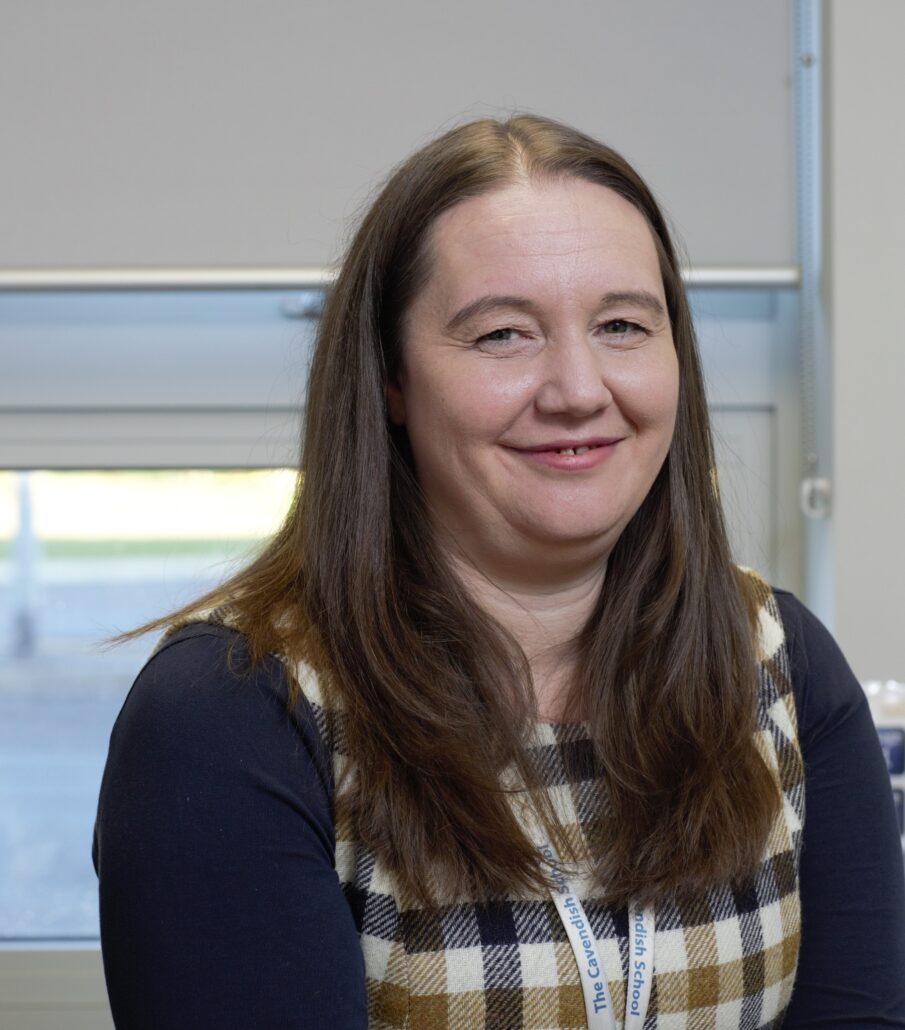
About Stephanie Smith
Stephanie has more than ten years of experience working in and alongside the autism community across mainstream primaries, secondaries and special schools. She is Head of School at The Cavendish School, Cambridgeshire’s first state-maintained special autism school.