


University and post-graduate students across the UK want workplaces that protect energy, reduce stress and prioritise wellbeing as the source of productivity.
These findings come from a national scholarship launched by global office furniture manufacturer AJ Products to understand how future workers want their environments to function and feel. The results reveal a significant shift in workplace expectations from the employees of the future.
The result shows that students across various degree disciplines do not see wellbeing as a reward but as the basis for productivity. They value environments designed around people as individuals over inflexible workspaces.
Entries consistently called for flexible environments that adapt to different personalities, tasks and energy levels throughout the day. The most popular solutions included biophilic design with natural light and greenery, quiet pods and focus zones and spaces that balance collaboration with concentration. As youthful students, they refreshingly drew their inspiration from schools, libraries and community spaces rather than corporate offices.
Students described workplaces where belonging and shared purpose matter as much as desk layouts and furniture. Several referenced the community feel of school environments, revealing a desire for recognition, earning trust and visible appreciation.
A standout finding was how differently students approached the same workplace problems. Cultural background, academic discipline and personal experience led to entirely different solutions for issues such as distraction and workplace stress. They seek environments with flexible working hours, adaptable desk set-ups and workspaces that shift between focused work, collaboration and creativity.
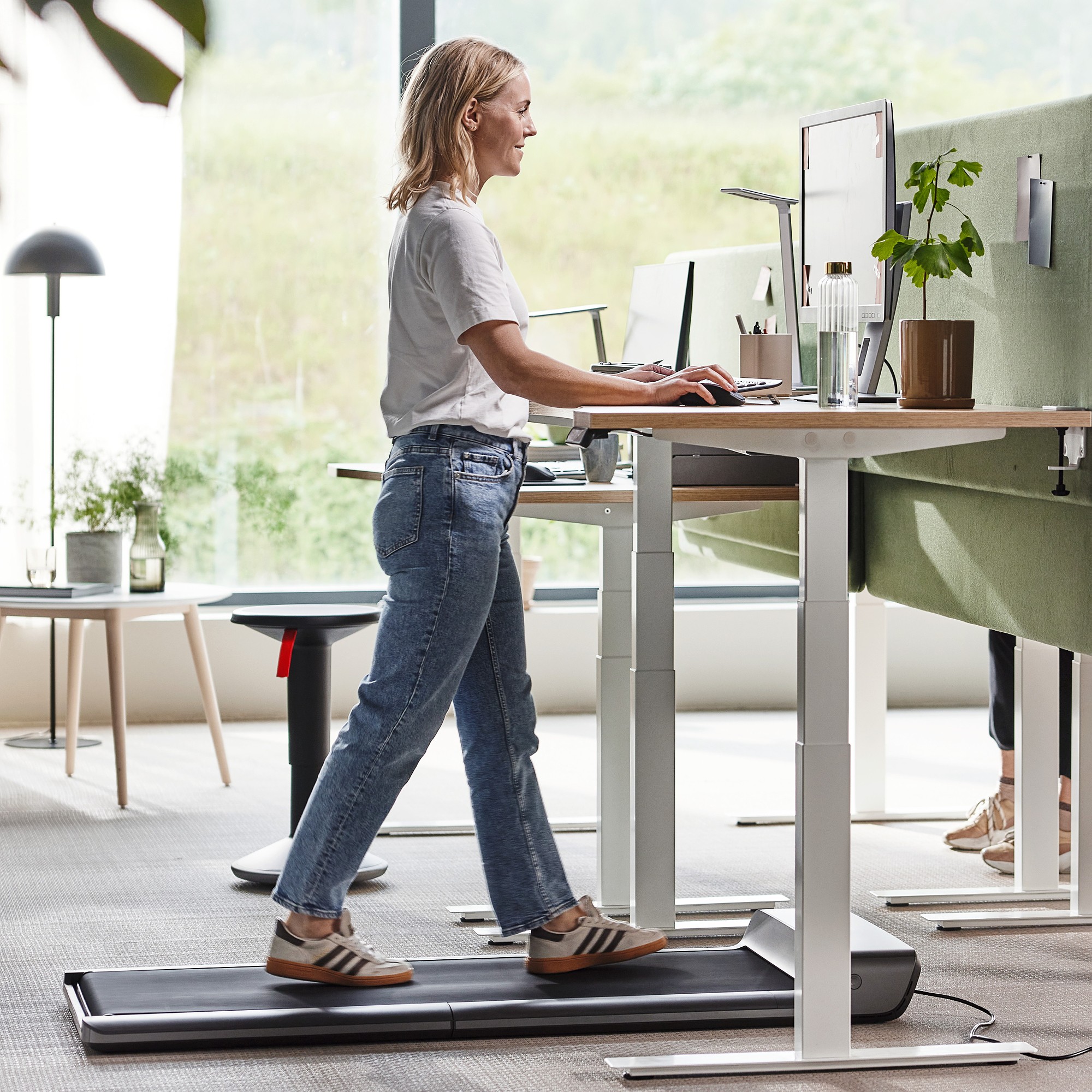
Riaz Kahn’s winning entry applied learnings from Speech and Language Therapy studies to workplace design, proposing a three-zone layout that addresses noise-related stress through practical implementation. The proposal recognises that businesses need to pilot changes carefully, while acknowledging constraints such as limited space and budgets.
‘The quality and diversity of entries was outstanding,’ said Helen Beebe, MD of AJ Products UK. ‘These students aren’t limited by how things have always been done. This generation has shown us that innovation often means looking at problems through a different lens, and their vision of work as something that should feel rewarding, not just productive, is important.’
A consistent finding is that organisations that design workplaces around output alone will struggle to attract and keep talent. Those who design around wellbeing and human connection, recognising the need for flexible choice, will have the advantage.

