UK schools using screen-free wearable tech are reporting sharp improvements in focus, behaviour, and learning. In a recent rollout involving 1,600 primary schools, one Derbyshire school saw a 40% increase in daily activity – with immediate gains in engagement and fewer behavioural issues.
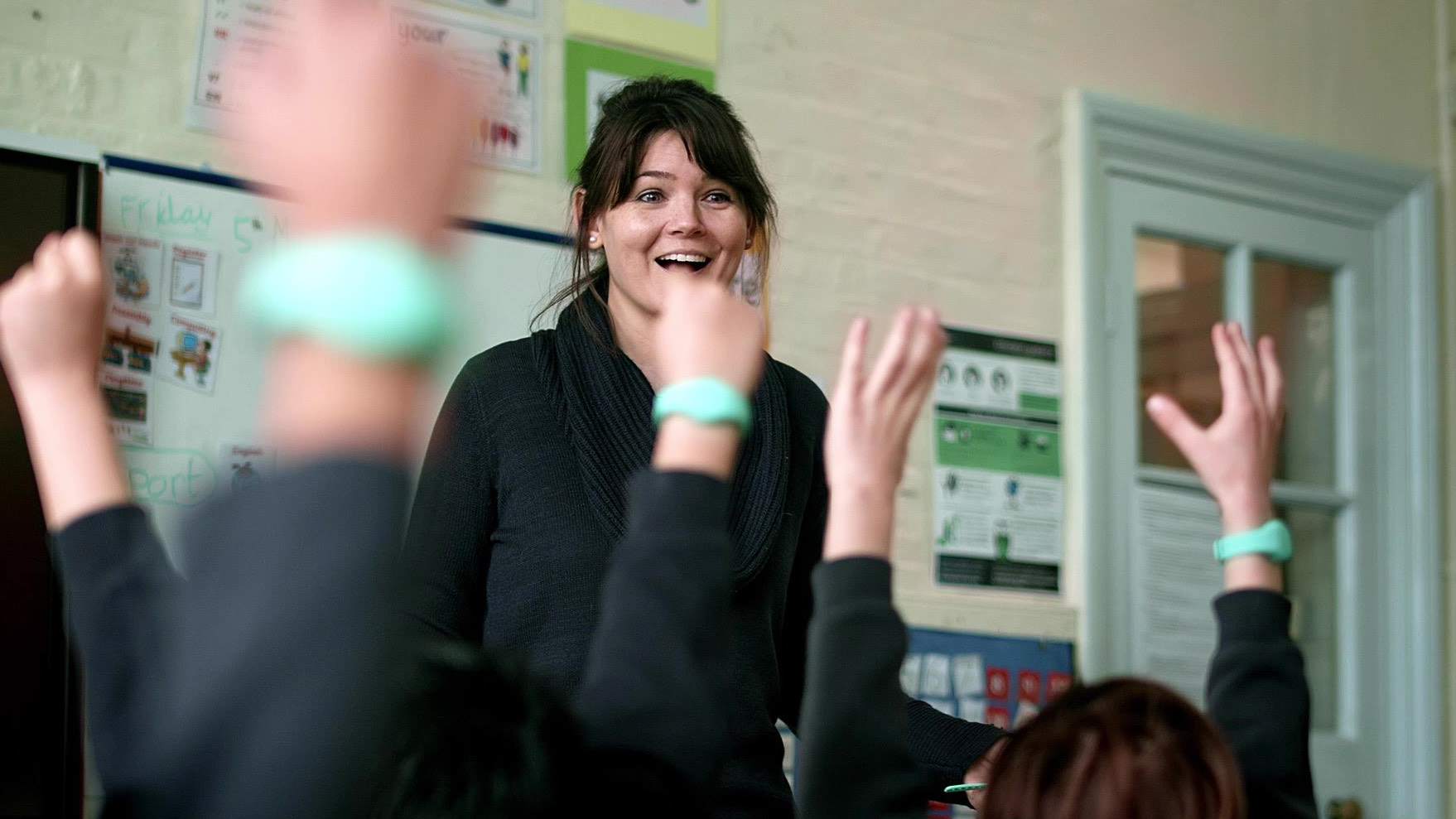
In a recent experiment involving over 1,600 UK primary schools, one Derbyshire school increased its pupils’ daily average step count by 40% – simply by adding short bursts of physical activity into morning lessons.
Teachers observed:
· Noticeable improvements in afternoon focus
· Fewer behavioural incidents
· Increased engagement and enjoyment in lessons
“We didn’t expect such a big academic impact – we just wanted the kids to be healthier. But we’re seeing them more alert, more engaged, and actually enjoying learning again.”
— Year 5 Teacher, Derbyshire
The Technology
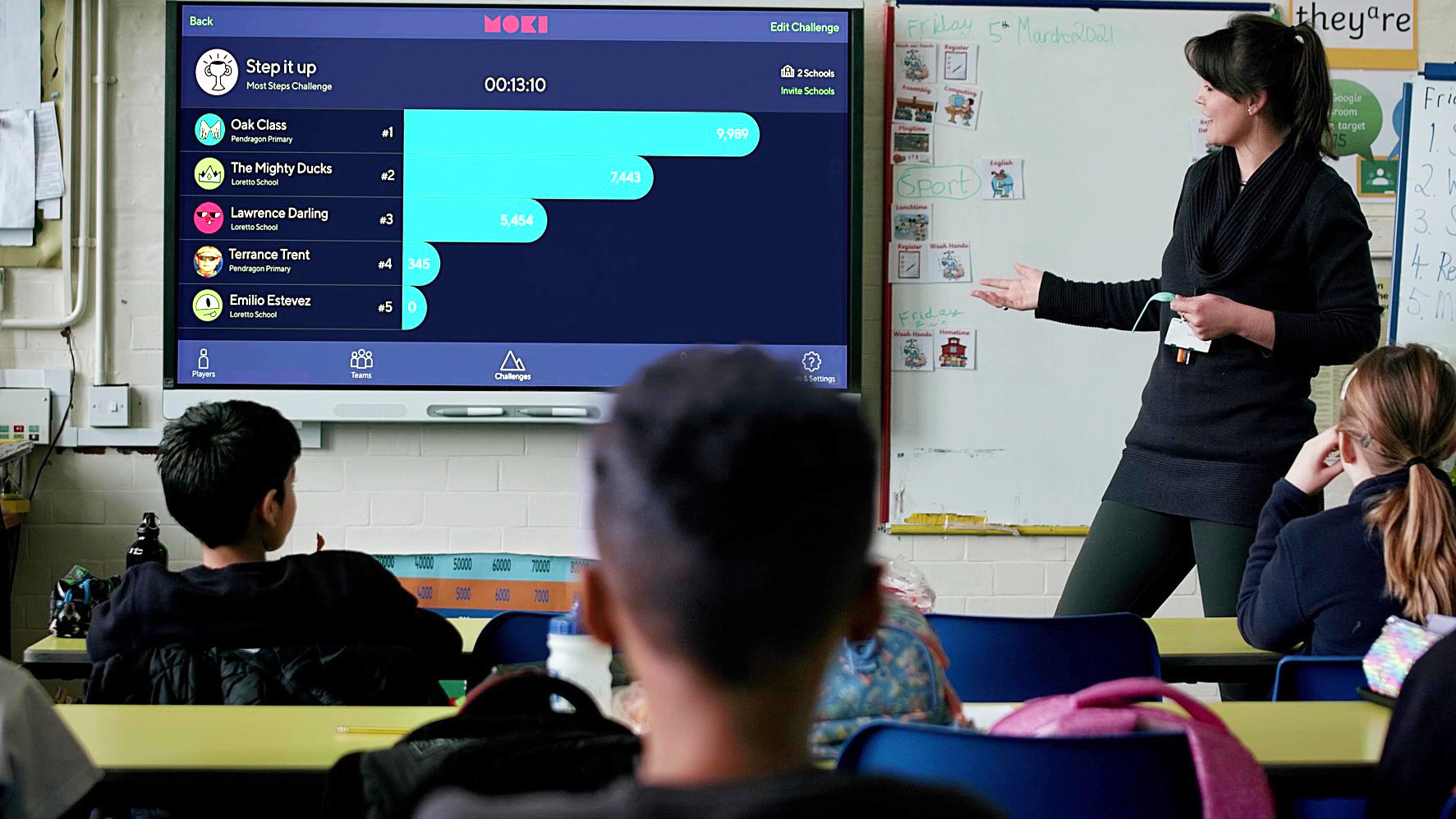
Moki, a screen-free wrist-worn activity tracker designed for schools, allows teachers to track and analyse movement data class by class, day by day. The technology enables schools to:
· Benchmark activity levels across pupils and year groups
· Evaluate impact of interventions like brain breaks or active lessons
· Identify pupils at risk of low activity or engagement
· Support funding bids with objective, real-world data
Importantly, Moki’s trackers are screen-free and GDPR-compliant, avoiding the pitfalls of consumer fitness wearables.
A Low-Cost Route to Higher Standards
With schools facing constrained budgets and growing pressure to raise attainment, the active classroom model offers a cost-effective and scalable solution.
Instead of expensive tech or curriculum overhauls, schools can integrate micro-movements like walking maths, standing desks, and movement breaks – delivering improvements without sacrificing academic time.