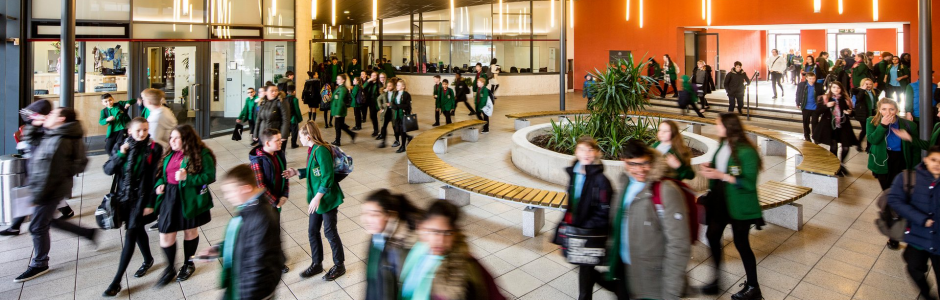
As teachers return to classrooms this September, retirement experts are urging them to add a retirement planning to their back-to-school checklist.
The start of a new school year is often the start of a countdown for teachers looking to retire within the next 12 months. But, with most schools needing to be notified of retirement plans by Spring, teachers wanting this to be their last full year in the classroom can’t afford to leave their planning too late.
Steven Renfrew, Head of Education at Wesleyan, said: “September is always a moment of renewal and reflection, and some teachers will be returning to the classroom this year knowing that they’d like to start their retirement journey.
“Whether that’s stepping back for good, a gradual ‘phase out’ or continuing to work in a reduced capacity, there are plenty of ways to ‘retire’, and no two retirements ever look the same.
“But they all require planning, and it’s imperative not to leave this too late – something we often see happening when the school year inevitably gets busy. Schools need advance notice, and you want to be ready to start these conversations, with confidence in your plans, as soon as possible.
“If you’re thinking about retiring imminently, and even if you’re still a few years out, make sure you’re preparing now. Some key things to consider include:
- Check what you need to retire
“A recent poll we conducted with UK teachers found that 41% are not confident they will have enough income to meet their needs in retirement.
“Affordability is, understandably, one of the key factors in deciding when you can start the retirement process. The good news is that, in some cases, you might have more options than you think.
“The key is understanding exactly what you want your retirement to look like – only then you can really work out how much you’ll need to support yourself and your loved ones.
“A conversation with a financial adviser can be valuable here – they can help crystallise your vision of retirement, and make sure you’re considering even some of the often-overlooked expenses, such as care in later life, so you can assess affordability with confidence.”
- Review all your income options
“In a similar vein, make sure you’re considering the full range of possible income options you might have to draw on.
“The Teachers’ Pension Scheme (TPS) remains the single most common source of teachers’ retirement income, with 80% of those we spoke to planning to use it. However, you might very well have other savings and investments that you can use – and if you aren’t investing yet, there might be an opportunity to start. Only a quarter (25%) of teachers currently plan to generate retirement income from personal investments.
“For the TPS, it’s also important to make sure you know your ‘Normal Pension Age’ – the age at which you can retire without any reductions being applied for ‘early access’. It’s perfectly possible to retire before this, but factoring in such reductions will be important to having a complete understanding of your financial position.”
- Consider phased retirement
“Retirement doesn’t need to mean leaving the classroom entirely. If you’re aged 55-75, the TPS’ powerful ‘phased retirement’ option allows you to start accessing part of your pension, provided you reduce your pensionable earnings by at least 20%, either by working fewer hours or moving into a role with less responsibility.
“More than half of teachers (52%) we surveyed said they would consider phased retirement, recognising the value it offers in maintaining a sense of purpose and routine.
“But concerns about affordability and the availability of flexible roles in schools are often cited as barriers to this path.
“If you’re thinking a phased option might be right for you, seek financial advice, and start speaking to your school’s leadership team as soon as possible. Schools want to retain teaching talent, so flexibility might be possible with the right notice. Similarly, a detailed run-through of your financial circumstances might end up showing that the benefits – in terms of time and wellbeing – outweigh any reduction in income.
- Continuing to work? Remember the possible tax implications
“Just under one in six teachers (14%) plan to rely on some form of additional income outside of their pension, investments or savings to fund their retirement, with the most common sources being part-time teaching work (42%) or part-time work in a non-teaching field (35%).
“In the same way as phased retirement, continuing to work – in our outside of teaching – can give real purpose, structure, and extra income.
“However, if this means you keep contributing to a defined contribution pension pot while you’re also taking money from a defined contribution pension, you’ll need to be aware of the Money Purchase Annual Allowance (MPAA).
“This limits how much you can contribute to your pension and still get tax relief. You can normally make up to £60,000 in annual contributions, but this goes down to £10,000 if you start using your DC pension funds. This may impact how much you want to add to your pension pot, or if you still wish to contribute at all. Again, good planning is key.”